President Milanović and his spouse Sanja Musić Milanović attend the opening of ZagrebDox 2026
The President of the Republic Zoran Milanović and his spouse Sanja Musić Milanović attended the opening of the 2026 International Documentary Film Festival ZagrebDox on Sunday evening at the Kaptol Boutique Cinema in Zagreb. The 22nd edition of the festival kicked off with the film “Sintetičko suosjećanje” (Synthetic Sincerity) by British director Marc Isaacs, which combines documentary and fiction to explore the phenomenon of artificial intelligence.
In his speech, Nenad Puhovski, founder and artistic director of ZagrebDox, recalled a 1994 conversation with one of his students who, after returning from the battlefield a changed man – quieter, slower, with a vacant stare – told him, “People don’t die in slow motion.”
“At the time, he didn’t know about what we now call artificial intelligence, fake news, or artificial reality. Yet, in the worst possible way, he recognized the difference between film and reality,” Puhovski added.
As he explained, between these two extremes of the same reality, they chose to round off the festival with two films: one focused on artificial intelligence and the issues it raises, and the other, about war, where “you die instantly, without slow motion,” and its impact not only on people but on everything around us.
Executive Director Hrvoje Pukšec expressed his support for colleagues from the Split Mediterranean Film Festival, who, he noted, incredibly – yet truthfully – had not been recognized by the local authorities this year.
Opening the festival, Deputy Mayor of Zagreb Luka Korlaet congratulated the organizers on their longevity, celebrating 22 editions and around three thousand films viewed by 400,000 people. “Beyond the numbers, we should congratulate due to the content that changes our lives and, like binoculars or a microscope, takes us on a journey from these armchairs,” he remarked.
He also mentioned that the renovation of the Europa Cinema had finally begun this year, and that soon, procurement for the renovation of the Tuškanac Cinema, where the festival began in 2005, would start.
Director Marc Isaacs introduced the opening film before the screening, recalling how, two years ago, he watched a video made with artificial intelligence about a man sitting in a café, possibly contemplating the future. This led him to question what the future holds for filmmakers. “Perhaps it will be a world where conversations and encounters with real people are no longer important, and cameras will no longer venture into the real world. I made this film to provoke some of these questions,” he said.
The festival, which runs until 26 April, will screen 112 films across sixteen program sections, selected from over two thousand submissions.
The international competition features 20 films, mostly stories about war and its aftermath, trauma, migration, family and social relationships, the role of women, and issues surrounding nature, work, and technology. Meanwhile, the regional competition showcases 18 films providing a multi-layered perspective on a world shaped by crises, change, and personal stories that transcend them.
In addition to the international and regional competitions, ZagrebDox will present a variety of other programs—State of the Art, Festival Hits, Musical Globe, Factumentaries, Happy Dox, Biographical Dox, Audio Dox, Masters of Dox, Teen Dox, Controversial Dox, Green Dox, Dox of Resistance, and Photo Dox.
A retrospective of Swiss director and producer Christian Frei, one of the most innovative and influential voices in contemporary documentary filmmaking, will also be featured. Additionally, a rich industrial and educational segment will be presented through the ZagrebDox Pro and DoXXL programs. (HINA)
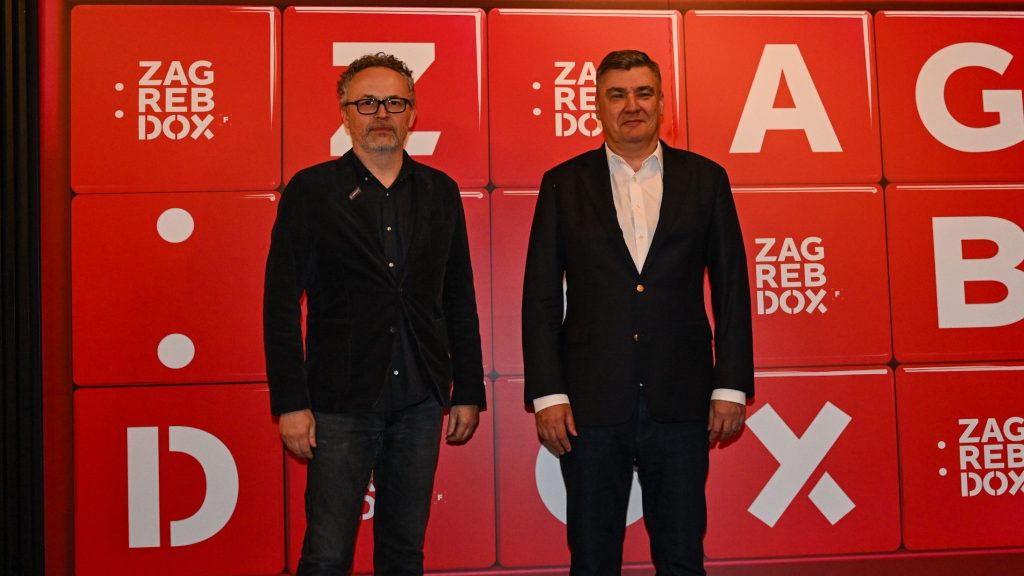
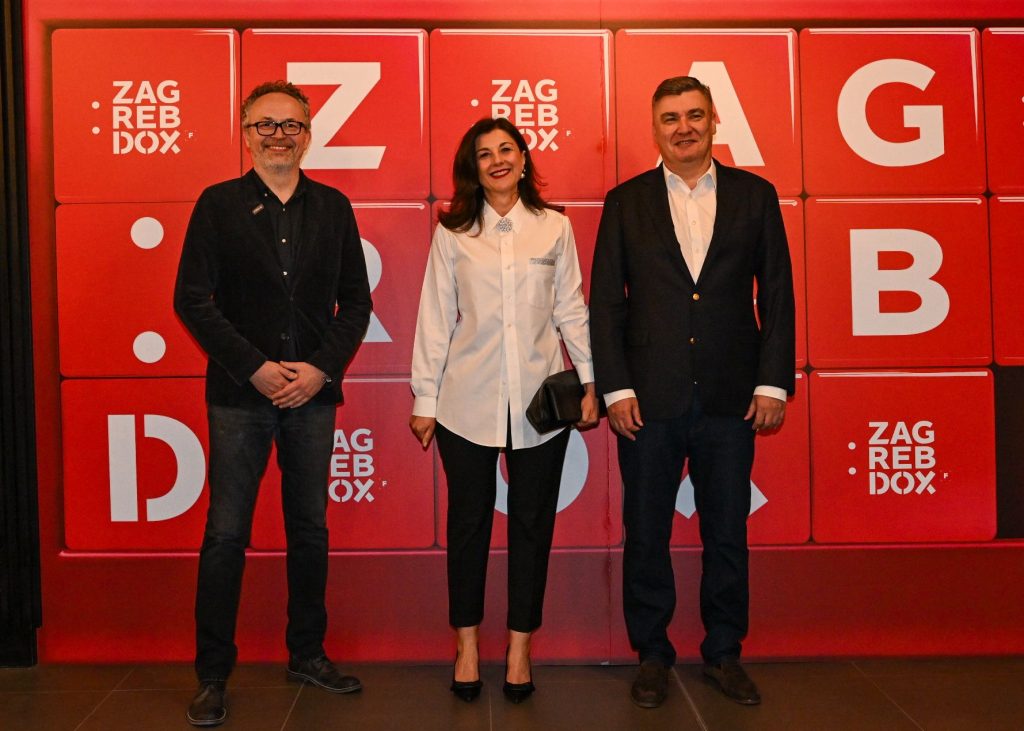
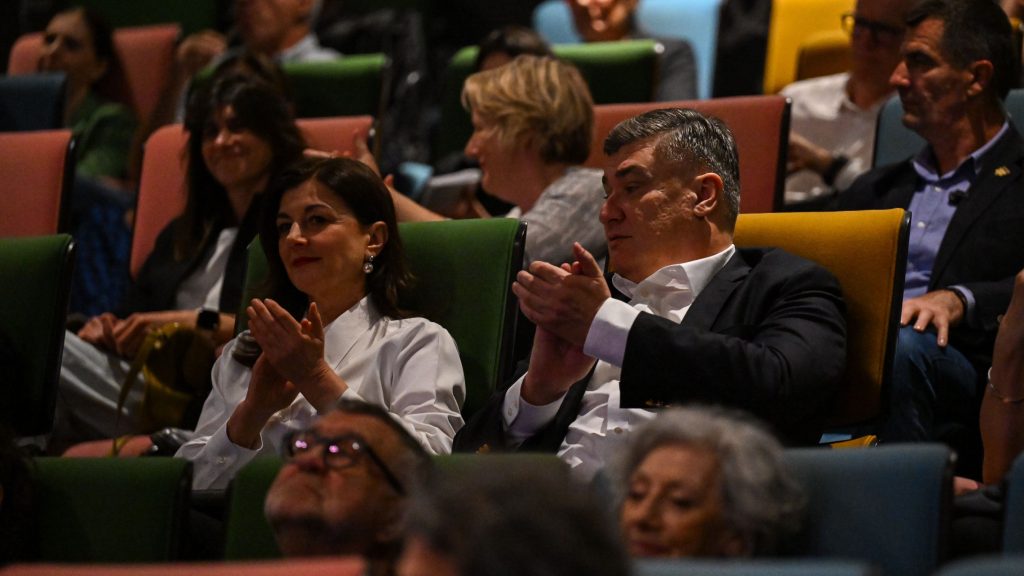
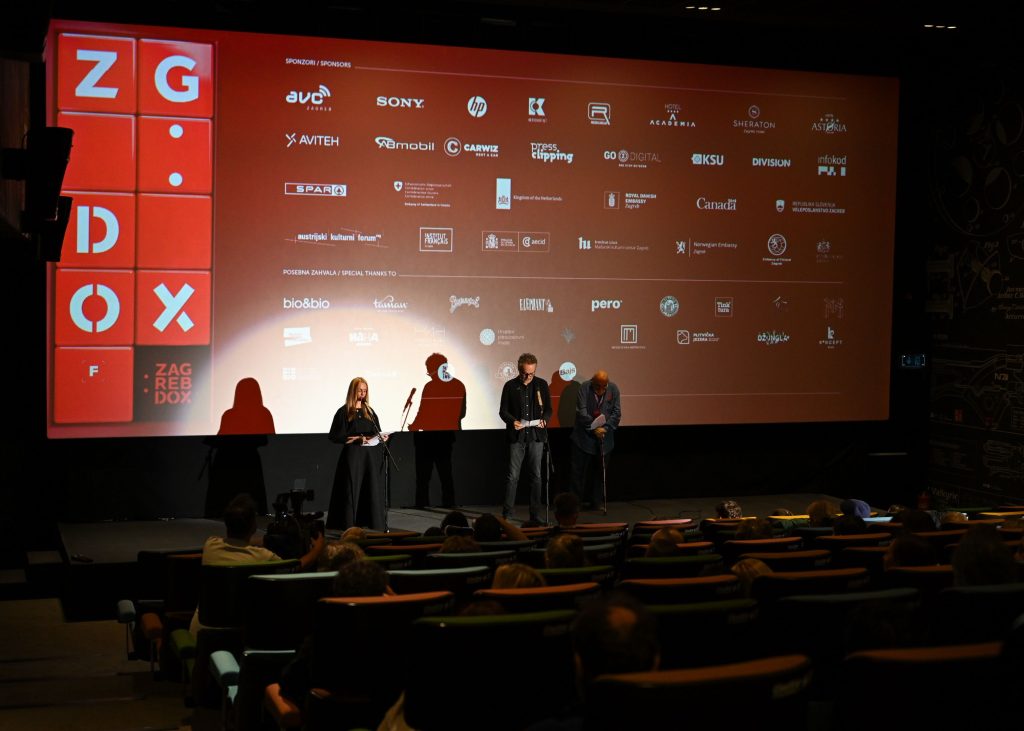
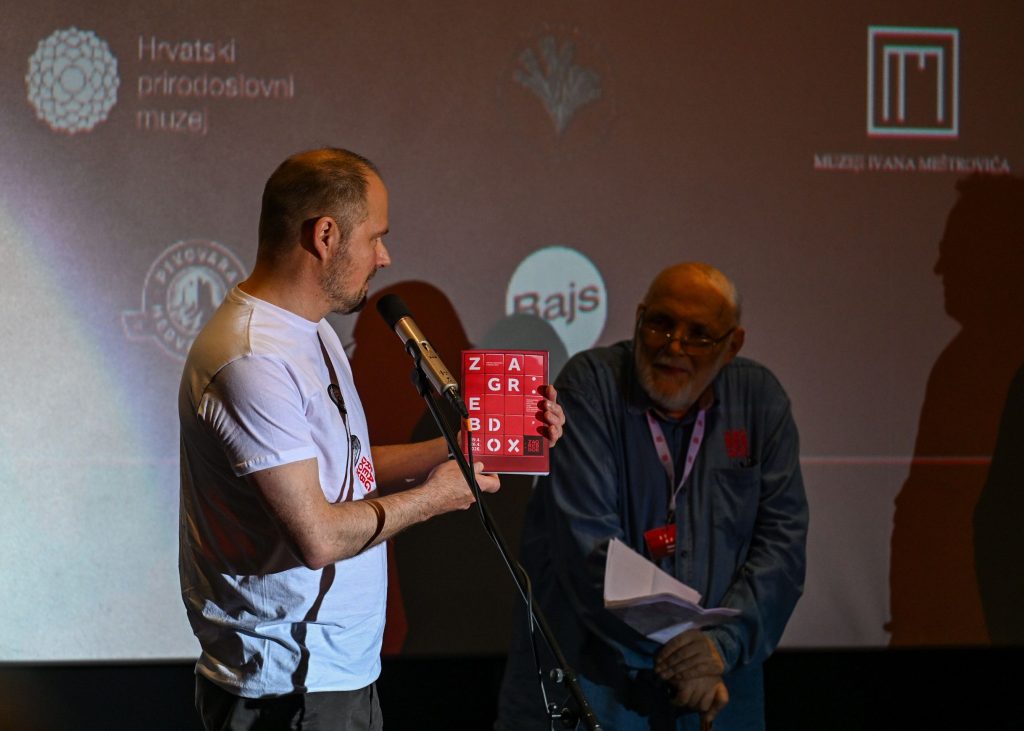
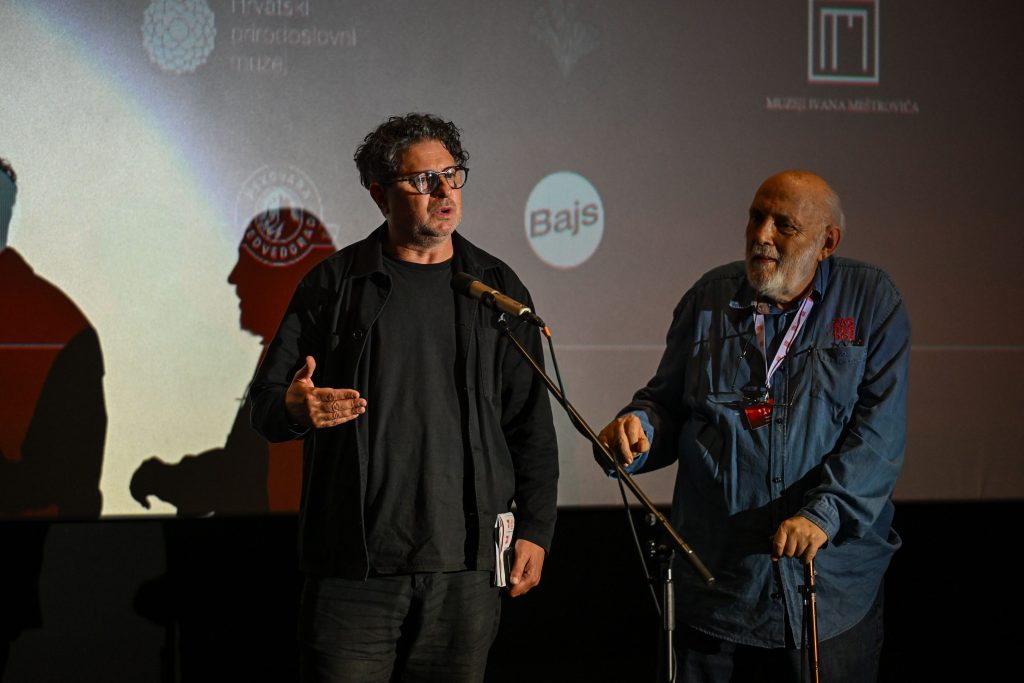
PHOTO: FOTO: Office of the President of the Republic of Croatia / Marko Beljan